
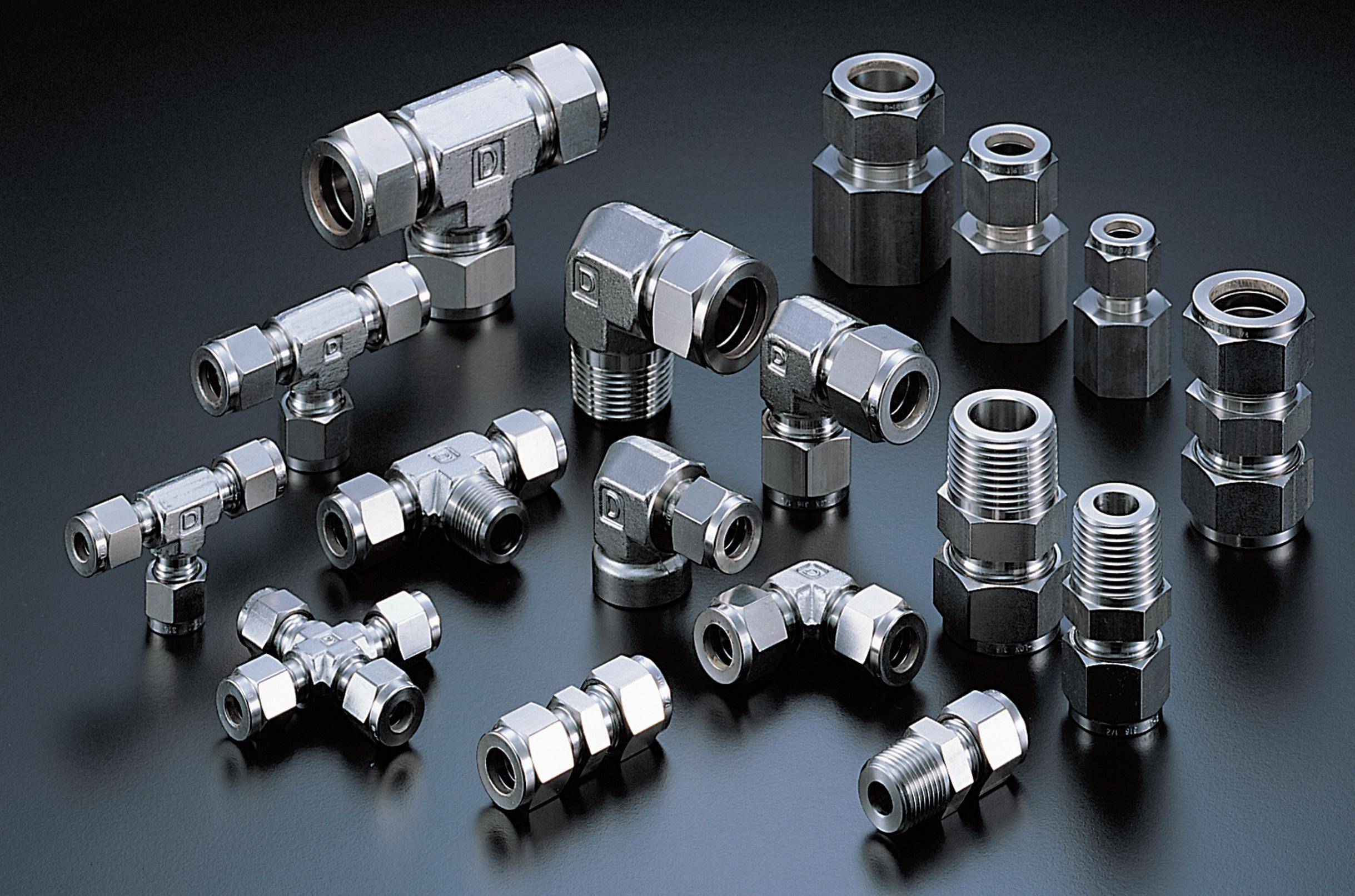
What Are Tube Fittings?
Tube fittings may seem small in size, but they play a massive role in fluid and gas systems. These handy connectors ensure leak-proof, stable, and efficient connections between tubes and pipes. From homes to high-pressure industrial plants, they’re everywhere — and for a good reason!
Why Are Tube Fitting So Crucial in Industrial Systems?
Imagine a pipeline carrying hazardous chemicals or gases. If a connection fails, it could mean disaster. industrial fittings ensure safety, prevent leaks, and allow for easy maintenance and system changes — making them the unsung heroes of many industries.
Classification of Tube Fittings
Based on Material
Stainless Steel Tube Fittings
Stainless steel is the go-to material when durability and corrosion resistance matter. Perfect for harsh environments and high-pressure systems, stainless steel connectors are a must-have for industries like chemical processing and power generation.
SS 316 and 316H Tube Fitting
Need added strength at high temperatures? Go for SS 316H tube fitting. These are especially ideal for heat exchangers and refinery applications. Unifit Metalloys is a leading SS 316H Tube Fittings Manufacturer and Exporter — trusted for their consistent quality and performance.
Copper Tube Fitting
For plumbing and HVAC systems, copper tube fitting shine. They’re easy to install, corrosion-resistant, and conduct heat efficiently.
Inconel, Monel & Hastelloy Tube Fitting
When extreme environments call, Inconel, Monel, and Hastelloy tube fittings step in. These are built to withstand highly corrosive substances, saltwater, and high-pressure applications.
Duplex and Super Duplex Tube Fitting
Stronger than standard stainless steel, duplex tube fitting offer superb strength and resistance to stress corrosion cracking, especially in oil and gas sectors.
Based on Connection Type
Push to Connect Tube Fitting
Quick, easy, and tool-free installation — that’s the charm of push to connect tube fitting. These are perfect for air and low-pressure applications.
Threaded Tube Fittings
For high-pressure lines and rigid connections, threaded tube fitting provide a secure and time-tested solution.
Single Ferrule & Double Ferrule Tube Fitting
Ferrule fittings use one or two compression rings for sealing. Single ferrule tube fittings are cost-effective, while double ferrule fittings give enhanced grip and resistance to vibration.
Common Types of Tube Fittings
Hydraulic Tube Fittings
Designed to handle high-pressure fluids, hydraulic tube fitting are used in construction machinery, aerospace, and heavy industries.
Gas Tube Fittings
Gas systems need precision and leak-free sealing — which is exactly what gas tube fitting offer.
High Pressure Tube Fittings
Operating at thousands of PSI? You’ll need high pressure tube fitting that are engineered for extreme conditions.
Air Tube Fittings
Used in pneumatic systems, They are common in manufacturing automation, packaging, and robotics.
Pipe and Tube Fittings
These are versatile and connect piping networks to tubular systems, ensuring seamless fluid transfer.
Tube Fittings by Industry Application
Oil & Gas
From exploration to refining, fluid line fittings connect everything — safely handling aggressive chemicals and high pressures.
Pharmaceuticals
Sanitary and corrosion-resistant stainless steel connectors are essential to maintain sterile conditions in pharma plants.
Power Generation
Steel tube fittings can handle high pressure steam and coolant lines with ease, making them perfect for boilers and turbines.
Food & Beverage
Hygiene is key! 316 stainless steel tube fittings offer smooth, non-reactive surfaces for clean fluid handling.
Marine & Aerospace
Corrosion from saltwater? Vibration from jet engines? Inconel and Monel tube fittings withstand it all.
Design & Construction Standards
ISO & ANSI Standards
Top-quality tube and fittings follow strict global standards for safety, performance, and compatibility.
Leak-Proof and Vibration Resistance Features
industrial fittings are engineered to prevent leaks and stay intact under vibration — especially instrumentation tube fittings.
Corrosion and Temperature Resistance
Whether it’s hot steam or acidic fluids, premium compression fittings resist wear and tear, ensuring long-term reliability.
Advantages of Stainless Steel Tube Fittings
Durability and Strength
SS fittings can endure a beating and still function perfectly. Great for high-pressure environments.
Resistance to Corrosion
Whether it’s saltwater, chemicals, or acid — stainless steel doesn’t back down.
Versatile Industrial Use
From labs to oil rigs, steel tube and fittings can be tailored to suit a wide variety of needs.
Choosing the Right Tube Fitting for Your Application
Material Compatibility
Always match the fitting material with your tube and the fluid being transferred. For example, inconel 625 tube fitting are perfect for high-temperature corrosion.
Pressure and Temperature Ratings
Don’t guess — check manufacturer specs. Underestimating pressure ratings can lead to catastrophic failures.
Installation Environment
Is it indoors or exposed to saltwater? Will there be vibration? Choose accordingly.
Tube End Fittings Explained
How They Work
They ensure a secure seal at the end of a tubing system and are crucial in preventing leakage.
Best Practices for Installation
Use proper torque, align the tube correctly, and never reuse old ferrules.
Top Manufacturer Spotlight – Unifit Metalloys
Leading Manufacturer of SS 316H Tube Fittings
Unifit Metalloys stands out as a premium SS 316H tube fittings manufacturer and exporter — trusted globally for its uncompromising quality and innovation in fittings.
Stainless steel tube fittings comply with global quality benchmarks such as those defined by the ISO Tube Fitting Standards and ASTM International.
Why Choose Unifit for Your Fitting Needs?
- Wide range of exotic alloys
- ISO-certified production
- Custom solutions for every industry
Maintenance & Inspection Tips
Preventive Checks
Look for signs of corrosion, fatigue, or loosening. Early action can prevent breakdowns.
When to Replace Tube Fittings
If fittings show pitting, cracks, or fail pressure tests — it’s time for a replacement.
Final Thoughts
Tube fitting might be small in size, but they’re giants when it comes to performance. Whether you’re building a high-pressure system or just looking for leak-proof reliability, choosing the right fitting can make all the difference. From copper to inconel, push-to-connect to threaded, there’s a fitting out there for every need. And when it comes to quality and variety, Unifit Metalloys leads the way — your one-stop solution for high-performance tube fitting.
FAQs
1. What are ferrule tube fittings?
Ferrule tube fitting use a ring (or rings) to compress the tube for a leak-proof seal, common in instrumentation lines.
2. Can copper tube fitting be used for gas lines?
Yes, but only in low-pressure and non-corrosive environments. Always check your local code.
3. Are stainless steel tube fitting corrosion-resistant?
Absolutely! That’s one of their biggest advantages, especially 316-grade stainless steel.
4. What are high-pressure tube fitting used for?
They’re designed for hydraulic systems, power plants, and industrial setups with pressures up to 60,000 PSI.
5. Why choose Unifit Metalloys for instrumentation tube fittings?
They offer high-quality, ISO-compliant products with custom solutions for critical applications.