
When dealing with high-pressure and high-temperature piping systems, leak-proof sealing becomes critical. That’s where Ring Type Joint (RTJ) gaskets come in. Specifically designed for extreme service conditions, RTJ gaskets are a reliable sealing solution used extensively in the oil & gas, petrochemical, power generation, and offshore industries.
This article explores what ring joint gaskets are, their types, applications, and how to select the right one for your system.
What Is a Ring Type Joint (RTJ) Gasket?
A Ring Type Joint gasket, often referred to as an RTJ gasket, is a metallic gasket that fits into a specially grooved flange face to form a seal. These gaskets are compressed into a V or oval-shaped groove, deforming to create a very tight, metal-to-metal seal. This design is specifically meant for systems operating at high pressure and temperature, where traditional soft gaskets would fail.
Why Use RTJ Gaskets
The key reason RTJ gaskets are preferred in critical piping systems is their ability to withstand intense pressure and thermal cycling without compromising seal integrity. They are resistant to blowouts, which makes them ideal for pipelines transporting hazardous or flammable materials.
Applications of Ring Joint Gaskets
RTJ gaskets are widely used in:
- Oil & gas pipelines (onshore and offshore)
- Petrochemical refineries
- High-pressure steam systems
- Subsea equipment
- Chemical processing industries
- Valves and pressure vessels
These gaskets are typically installed between RTJ flanges, which have machined grooves designed to hold the gasket securely during bolt tightening.
Types of RTJ Gaskets
Ring joint gaskets are available in several profiles, each designed for specific sealing needs. The most commonly used types include:
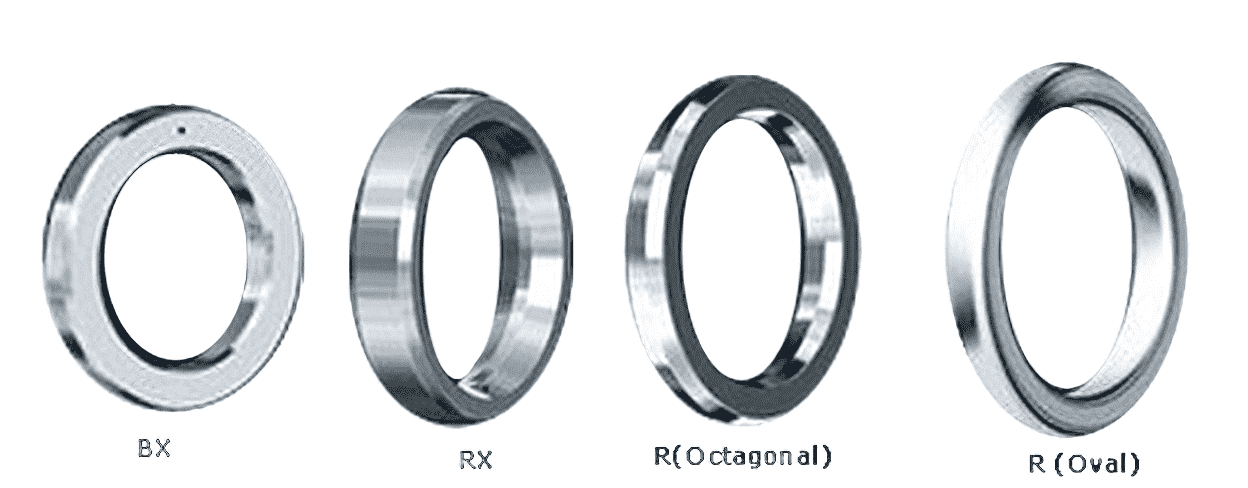
1. R-Type (Oval and Octagonal)
These are the most widely used ring joint gasket styles. Oval rings offer a traditional fit, while octagonal rings provide a more effective seal because of their sharp edges. Both fit the same standard grooves.
2. RX-Type
These gaskets are similar in shape to the R-type but are designed to fit the same grooves with additional pressure-activated sealing. They provide a higher sealing efficiency, especially in pressure cycling applications.
3. BX-Type
BX gaskets are used for very high-pressure applications, such as API 6BX flanges. They feature a pressure balance hole to equalize pressure on both sides and are suitable for pressures up to 20,000 psi.
Ring Joint Gasket Materials
The material of a ring joint gasket must match the pressure and temperature requirements of the system, as well as the flange material. Common materials include:
- Soft Iron – Ideal for low-pressure applications
- Carbon Steel – Durable and cost-effective for general service
- Stainless Steel (304, 316, 321) – Corrosion-resistant and widely used in chemical applications
- Inconel, Monel, and Hastelloy – Suitable for highly corrosive environments and extreme temperatures
Material selection should always consider compatibility with the fluid or gas being transported.
Ring Joint Gasket Standards and Sizing
RTJ gaskets are manufactured as per international standards like ASME B16.20 for metallic gaskets, API 6A, and BS 1560. Sizing must match the flange specification for proper sealing. Commonly used flange types include:
- RTJ Flanges
- Ring Joint Flange Gaskets
- RTJ Weld Neck Flanges
Always verify the gasket groove dimensions and pressure class before installation.
Installation and Handling
Proper installation of RTJ gaskets is critical to performance. Here are key practices:
- Clean sealing surfaces thoroughly to remove any debris or corrosion.
- Align flanges correctly to avoid uneven gasket compression.
- Use calibrated torque wrenches to ensure even bolt tightening.
- Avoid reusing gaskets, as most RTJ gaskets are single-use to maintain integrity.
Choosing the Right Gasket Manufacturer
With so many gasket manufacturers in the market, it’s crucial to choose a reliable supplier who complies with international standards. A good manufacturer will provide:
- Full material traceability
- Dimensional certification
- Pressure testing capability
- Custom sizes and material grades on request
Whether you’re looking for a gasket manufacturer for general use or specialty alloys, ensure they have experience in supplying to your industry.
RTJ Gaskets vs. Other Gasket Types
While soft gaskets like spiral wound or compressed fiber are used in low to medium pressure applications, RTJ gaskets are built for extreme service. They are not interchangeable with other types of gaskets due to their unique groove requirements.
Also, the metal-to-metal seal of an RTJ gasket offers superior resistance to leaks, even under thermal and pressure cycling, which is essential in critical operations.
Final Thoughts
Ring Type Joint gaskets are indispensable for industries operating under severe service conditions. With multiple types like R, RX, and BX, and material options ranging from carbon steel to Inconel, these gaskets offer flexibility, performance, and security.
Whether you need standard sizes or custom-engineered solutions, always ensure your RTJ flange gasket matches the pressure, temperature, and material requirements of your application.