
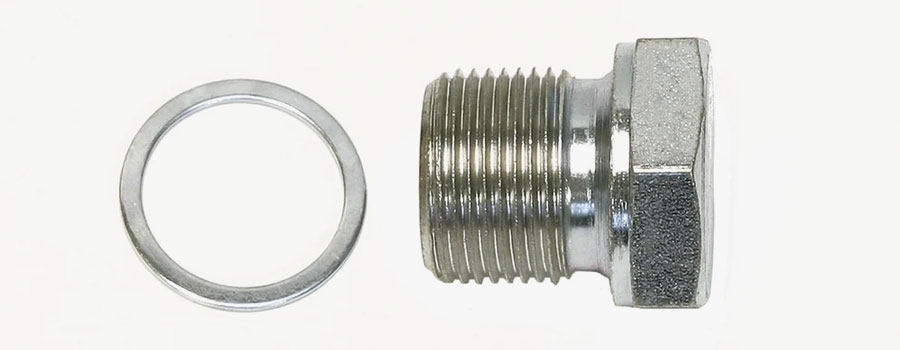
When it comes to the smooth and leak-proof operation of heat exchangers, small components like shoulder plugs and header plugs play a huge role. Whether you’re in chemical processing, oil & gas, power generation, or HVAC, using the right plug—be it a UNF plug, SS 316 header plug, or a carbon steel A105 shoulder plug—is essential for system longevity and safety.
This comprehensive guide will help you understand the importance, types, materials, and sourcing tips for shoulder plugs for heat exchangers, along with pricing and supplier guidance—especially helpful if you’re sourcing from trusted names like Unifit Metalloys.
Understanding the Role of Heat Exchangers
How Heat Exchangers Work
Heat exchangers transfer heat between fluids without mixing them. They’re found in condensers, boilers, oil coolers, and more. Within these exchangers, plugs are used to isolate or seal specific tubes or areas for maintenance or flow control.
What Are Shoulder Plugs?
Definition and Function
A shoulder plug is a type of threaded plug with a built-in collar or flange that acts as a stop. This “shoulder” prevents the plug from going too deep, offering more controlled and reliable sealing. They’re commonly used in shell-and-tube heat exchangers, especially during isolation, testing, or pressure sealing.
Difference Between Shoulder Plugs and Header Plugs
- Header plugs are typically straight-threaded and used for tube sealing.
- Shoulder plugs provide more precise sealing with depth control, ideal for high-pressure and high-temperature conditions.
If you’re comparing header plugs for heat exchangers vs shoulder plugs for heat exchangers—shoulder types give you that extra mechanical security due to their design.
Material Selection for Shoulder Plugs For Heat Exchangers
1. SS 316 Header Plug & Shoulder Plugs
SS 316 header plug and shoulder plug variants offer excellent resistance to corrosion, especially in marine or chemical environments. Their molybdenum content improves durability in saline or acidic conditions.
2. 304 Stainless Steel Shoulder Plugs
304 stainless steel shoulder plugs for heat exchangers are more affordable than 316. While not as corrosion-resistant in aggressive environments, they work well in food processing, HVAC, and clean water applications.
3. Carbon Steel A105 Shoulder Plug
The carbon steel A105 shoulder plugs for heat exchangers is a rugged and budget-friendly choice. While it may require coatings or linings in corrosive settings, it performs well in high-temperature, high-pressure conditions.
We supply high-performance Shoulder Plugs for Heat Exchangers made from SS316 and A105.
UNF Threaded Shoulder Plugs for Heat Exchangers
The UNF plug (Unified National Fine thread) is a common thread standard used in many American and international systems. If your system specs require fine threading for tight sealing in small spaces, make sure to match the plug type exactly—especially if you’re sourcing for replacement or retrofit purposes.
Applications of Shoulder Plugs for Heat Exchangers
- Petrochemical Plants
- Power Generation
- Pharmaceutical and Biotech Processing
- Food & Beverage Manufacturing
- Desalination Plants
- HVAC Systems
Advantages of Using Shoulder Plugs
- Excellent sealing under pressure
- Easy removal and replacement
- Available in wide material options
- Cost-effective compared to tube sheet welding
- Compatible with UNF plug threads and other standards
Choosing the right Shoulder Plugs for Heat Exchangers ensures durability under thermal stress.
Shoulder Plugs vs Header Plugs: Quick Comparison Table
| Feature | Shoulder Plug | Header Plug |
|---|---|---|
| Design | Includes shoulder/collar | Straight-threaded |
| Best For | High-pressure sealing | General tube isolation |
| Thread Types | UNF, NPT, BSP | NPT, BSP |
| Common Materials | SS 316, 304, A105 | SS 316, A105 |
| Cost Range (INR) | ₹120.12 – ₹304.59 | ₹57.62 – ₹422.99 |
Pricing Guide (INR)
- Header plugs for heat exchangers: ₹57.62 – ₹422.99
- Shoulder plugs: ₹120.12 – ₹304.59
- SS 316 header plug: Higher end of the price range
- Carbon steel A105 shoulder plug: Budget-friendly
Finding the Right Shoulder Plug Suppliers
If you’re sourcing for quality, here’s what to look for in shoulder plugs suppliers:
- ISO Certification & quality standards compliance
- Material Test Certificates (MTCs)
- Thread precision & machining accuracy
- Bulk supply and customization options
- Support for international shipping (especially for UNF plug types)
- As per ASME B16.11 standard, shoulder plugs must meet tight dimensional tolerances
Unifit Metalloys is one of the trusted shoulder plug suppliers in India, known for precision-engineered fittings with strict quality controls. Our Shoulder Plugs for Heat Exchangers are often used alongside high-pressure forged fittings.
Installation Tips
- Use the correct thread lubricant or anti-seize compound
- Torque the plug to recommended specs
- Verify thread compatibility (especially with UNF plugs)
- Always clean the port and threads before installation
- Do not overtighten—this could damage the heat exchanger shell
Maintenance and Replacement
- Check for corrosion or pitting annually
- Replace worn or damaged plugs promptly
- For marine or coastal use, prefer SS 316 header plugs
- Keep an inventory of spare plugs with matching thread standards
Final Thoughts
Whether you’re dealing with UNF plugs, SS 316 header plugs, or carbon steel A105 shoulder plugs, choosing the right type and material is critical for safety and longevity. By understanding your system requirements and working with reliable shoulder plugs suppliers like Unifit Metalloys, you can ensure uninterrupted performance in your heat exchanger units.
FAQs
1. What is a UNF plug and where is it used?
A UNF plug features Unified National Fine threads, commonly used in high-precision, high-pressure applications in American and international systems.
2. What’s the difference between shoulder plugs and header plugs for heat exchangers?
Shoulder plugs have a collar for depth control and are ideal for pressure-sealing. Header plugs are simple threaded plugs used mainly for tube sealing.
3. Why Choose SS316 or A105 Shoulder Plugs for Heat Exchangers
SS 316 header plugs offer superior corrosion resistance, especially in chemical or marine applications, thanks to their molybdenum content.
4. Are 304 stainless steel shoulder plugs good for high-pressure systems?
304 stainless steel shoulder plugs work in moderate environments but may not hold up as well in highly corrosive or high-pressure setups.
5. Where can I find reliable shoulder plugs suppliers?
You can source high-quality plugs from companies like Unifit Metalloys, who offer SS 316, 304, carbon steel A105, and UNF plug options with quality certifications.